


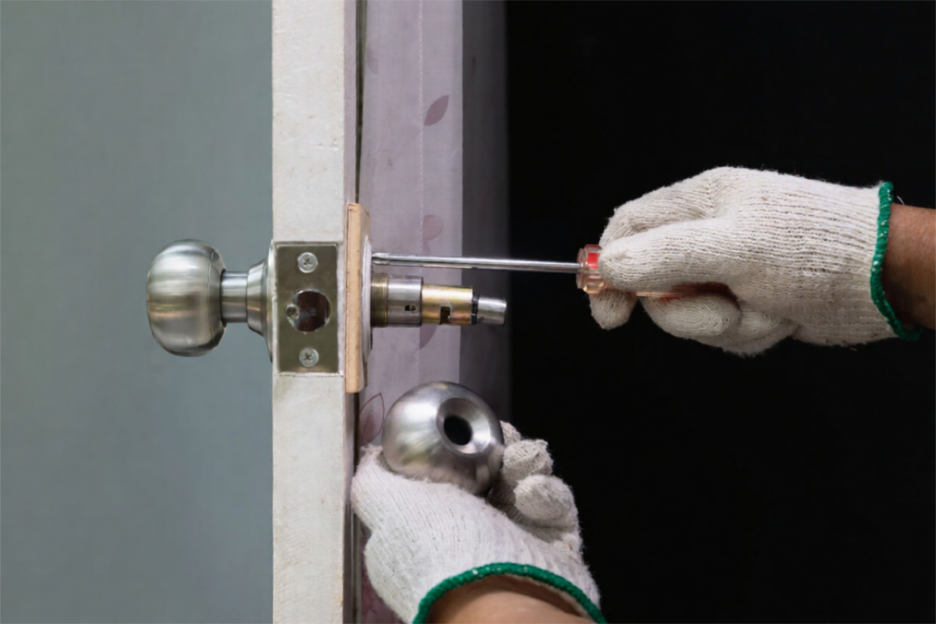
Smart home technology adoption has grown rapidly across Southern California, and smart home locks are quickly becoming one of the most popular entry points into connected living for San Diego homeowners, according to San Diego Locksmith. From coastal residences and downtown condos to newly built suburban homes, more residents are upgrading traditional door locks to digital, app-controlled systems.
For many tech-savvy homeowners, smart locks are often the first smart home upgrade because they offer convenience, flexible access control, and a modern approach to residential security. However, while smart locks provide clear benefits, they also introduce new considerations related to privacy, cybersecurity, battery dependency, and system compatibility.
What Are Smart Home Locks?
Definition & How Smart Locks Work
Smart home locks are electronic locking systems designed to control access to a door without relying solely on traditional physical keys. Instead of inserting a key into a lock cylinder, users interact with the lock through digital methods such as smartphone apps, numeric keypads, proximity sensors, or integrated smart home systems.
At their core, smart locks use an electronic mechanism to engage or disengage the locking bolt. Commands are sent via Bluetooth, Wi-Fi, or smart home network protocols, allowing the lock to respond to authorized access requests. Most smart locks still include a mechanical backup option, ensuring the door can be unlocked manually if needed.
App-Based Access vs Physical Keys
One of the defining differences between smart locks and traditional locks is how access is managed:
- App-based access allows homeowners to lock or unlock doors remotely, create temporary access permissions, and receive notifications when the door is used.
- Physical keys, when included, serve as a backup method rather than the primary means of entry.
This hybrid approach appeals to homeowners who want modern convenience without completely abandoning traditional security methods.
Common Features in Modern Smart Locks
Smart locks typically come equipped with a variety of features designed to enhance convenience and oversight:
- Auto-lock functionality that secures the door after a set period
- Remote access control through a mobile application
- Temporary or scheduled access codes for guests, service providers, or renters
- Activity logs that track when the door is locked or unlocked
These features are especially useful in busy households or properties with frequent visitors.
Wi-Fi vs Bluetooth vs Z-Wave Smart Locks
Smart locks rely on different communication technologies, each with their own strengths and limitations. Understanding these differences is essential for choosing the right solution.
Wi-Fi Smart Locks
Wi-Fi smart locks connect directly to a home internet network, allowing full remote control from virtually anywhere.
Advantages:
- Remote locking and unlocking from outside the home
- Real-time alerts and monitoring
- No additional hub required in many setups
Limitations:
- Higher power consumption compared to other technologies
- Dependent on stable internet connectivity
Wi-Fi locks are often preferred by homeowners who want constant remote access, especially those who travel frequently or manage rental properties.
Bluetooth Smart Locks
Bluetooth smart locks communicate directly with a nearby smartphone or device.
Advantages:
- Lower energy consumption
- Reliable short-range communication
- Often faster response times
Limitations:
- Limited range
- Remote access may require additional setup
Bluetooth locks work well for homeowners who primarily want keyless entry without relying on internet connectivity.
Z-Wave Smart Locks
Z-Wave smart locks operate within a dedicated smart home network and typically require a central hub.
Advantages:
- Stable, low-interference communication
- Excellent integration with broader smart home systems
- Efficient power usage
Limitations:
- Requires compatible smart home infrastructure
- Less direct control without a hub
This option is commonly chosen by homeowners with advanced smart home ecosystems.
Pros of Installing Smart Home Locks
Convenience & Keyless Entry
One of the most attractive benefits of smart locks is the elimination of traditional keys. Homeowners no longer need to worry about lost keys or making duplicates. Access can be granted or revoked digitally, making daily life more streamlined.
Easy Family Access Management
Smart locks simplify access management for households with multiple occupants. Each person can have their own access method, reduce confusion, and improve accountability.
Cons & Security Risks to Watch Out For
Smart Lock Security Risks
Like any connected device, smart locks introduce cybersecurity considerations. Poorly secured systems or outdated firmware can expose vulnerabilities that may be exploited. Choosing secure configurations and maintaining updates is critical to minimizing risk.
Battery Life & Power Failures
Smart locks rely on battery power to function. While most systems provide alerts when batteries are running low, neglecting these warnings can lead to unexpected lockouts.
Connectivity & App Reliability
Smart locks depend on software and connectivity. Temporary internet outages or app malfunctions can affect performance, highlighting the importance of backup access methods.
DIY vs Professional Smart Lock Installation
When DIY Installation Is Okay
DIY installation may be suitable for:
- Standard door configurations
- Basic smart lock models
- Homeowners comfortable with tools and instructions
Why Hire a Local San Diego Locksmith
Professional installation offers:
- Proper lock alignment and calibration
- Compatibility assessment for older or custom doors
- Security testing after installation
Local expertise is especially valuable in San Diego, where housing styles vary widely.
Best Practices for Smart Lock Safety
Use Strong Passwords & Two-Factor Authentication
Strong credentials reduce the risk of unauthorized access, especially app-based controls.
Keep Firmware Updated
Firmware updates often address security vulnerabilities and improve performance.
Monitor Access Logs Regularly
Reviewing activity logs helps identify unusual patterns or unauthorized attempts.
Conclusion
Smart home locks offer a compelling blend of convenience and modern security for San Diego homeowners. While they provide valuable features like keyless entry and access monitoring, they also require thoughtful setup and ongoing maintenance. By understanding how smart locks work, choosing the right connectivity option, and following best security practices, homeowners can enjoy the benefits while minimizing risks.
Reach out to San Diego Locksmith for personalized support.
Frequently Asked Questions (FAQs)
1. Are smart home locks safe to use in San Diego?
Smart home locks are generally safe when properly installed, configured, and maintained, a point often emphasized by residential locksmith San Diego professionals. Security largely depends on using strong authentication methods, keeping software updated, and selecting locks compatible with your home infrastructure. Environmental factors such as coastal humidity do not typically affect electronic locks when they are designed for residential use.
2. What happens if a smart lock battery dies?
Most smart locks provide advanced warnings when battery levels are low. If the battery fully depletes, many systems include backup access options such as physical keys or external power connections. Regular battery checks help prevent lockouts.
3. Can smart locks work without Wi-Fi?
Yes, many smart locks function without Wi-Fi. Bluetooth and Z-Wave locks can operate locally, allowing basic locking and unlocking. However, features like remote access and real-time notifications may be limited without an internet connection.
4. Are smart locks compatible with older doors?
Compatibility depends on the door’s construction, lock type, and alignment. Some older doors may require adjustments or professional assistance to ensure the smart lock functions correctly and securely.
5. How much does smart lock installation cost in San Diego?
Installation requirements vary based on door type, lock complexity, and whether modifications are needed. Professional installation ensures proper setup, security testing, and long-term reliability without the risks associated with improper installation.