


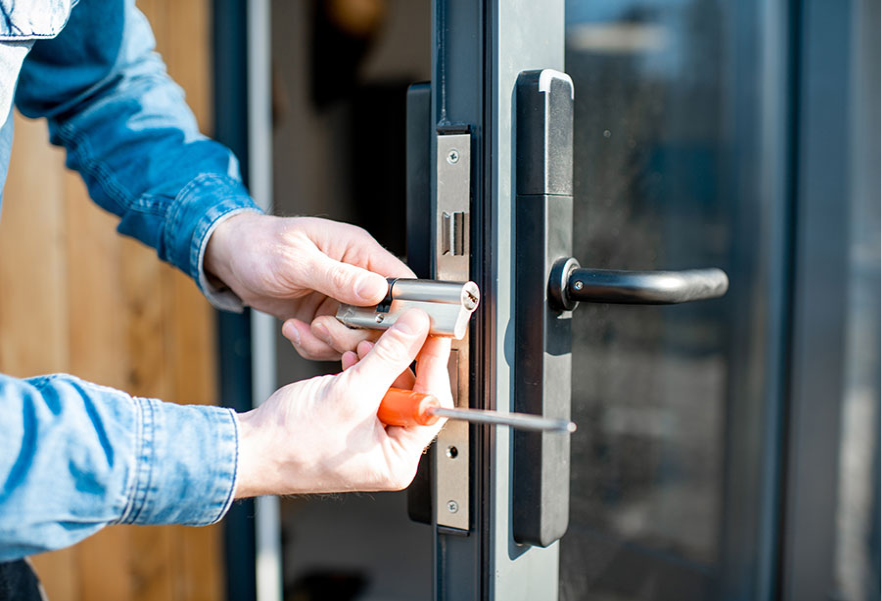
Winter in San Diego may be mild compared to other parts of the country, but locksmith emergencies San Diego winter weather brings are surprisingly common. San Diego Locksmith Cooler nighttime temperatures, increased humidity, moisture buildup, and seasonal travel patterns all contribute to lock malfunctions, swollen doors, stiff deadbolts, frozen keys, and weakened home security. While the city doesn’t experience snow or hard freezes, even slight temperature shifts can impact how locks, keys, and door hardware function leading to inconvenient or costly issues if left unaddressed.
Why Winter in San Diego Still Causes Locksmith Emergencies
Even though San Diego doesn’t experience harsh winter storms, freezing temperatures, or snow, its unique coastal climate contributes to several environmental conditions that influence how locks and door’s function. This is also why homeowners often turn to Key Duplication before winter as a precaution against potential lock malfunctions.
Coastal temperature drops & nighttime humidity
Winter nights in San Diego often bring temperature drops into the mid-40s or lower, especially in coastal, canyon, and inland valley areas. When the air cools rapidly after sunset, humidity levels rise. This moisture settles onto metal surfaces including lock cylinders, deadbolts, and keys.
Overnight condensation leads to:
- Water seeping into small lock components
- Increased stiffness inside cylinders
- Keys becoming difficult to insert or turn
- Early-morning resistance as locks warm back up
This combination of cool temperatures and moisture is one of the leading causes of winter lock problems, even without freezing weather.
How “mild winters” still trigger cold weather lock issues
Many homeowners assume that “mild winters” mean their locks are safe from seasonal problems. However, even small temperature dips affect metal components:
- Metal contracts in the cold, tightening tolerances inside the lock
- Springs and pins become less reactive
- Lubrication thickens or evaporates
- Internal movement becomes less smooth
Locks are designed for precise mechanical motion. Even a fraction-of-a-millimetre contraction can cause sticking, grinding, or unresponsiveness. When this contraction is combined with humidity, the effect is much more pronounced.
How moisture expands internal lock components
Moisture doesn’t just settle on the outside it also penetrates small openings and keyholes. Once inside:
- Metal components oxidize
- Rust begins forming on pins and springs
- Wood door frames absorb moisture and swell
- Lock alignment shifts
This expansion increases internal resistance and can cause:
- Keys bending under pressure
- Keys snapping inside the cylinder
- Deadbolts jamming mid-turn
- Locks feeling “crunchy” or gritty
By the time symptoms show up, moisture has often already caused internal wear.
Common Cold Weather Lock Issues San Diego Homeowners Face
Understanding specific winter-related lock problems helps you identify warning signs before they develop into emergencies.
Frozen or stiff keys from overnight condensation
While locks in San Diego don’t literally “freeze,” condensation inside cylinders can make them feel frozen. Symptoms include:
- Keys refusing to enter fully
- Keys becoming stuck after insertion
- Needing force to turn the key (a major warning sign)
When moisture condenses inside cold metal, the internal components become stiff and resist smooth movement.
Rust formation due to increased humidity
San Diego’s coastal humidity especially near the beach can accelerate oxidation. In winter, the problem intensifies as moisture lingers longer in cool air.
Rust leads to:
- Grinding or gritty sensations when turning keys
- Slower movement of internal pins
- Higher friction inside the cylinder
- Eventual lock failure if ignored
If your key comes out with orange dust, rust is already forming internally.
Door swelling problems in wood frames
Wood is highly sensitive to humidity and temperature. As moisture levels increase during winter:
- Doors expand
- Frames grow slightly thicker
- Lock and strike plate alignment shifts
This can make it difficult or impossible for the latch or deadbolt to seat correctly.
Deadbolts not fully extending or retracting
Even a tiny misalignment between the deadbolt and strike plate can cause the lock to jam. Winter swelling is the most common cause.
Signs include:
- Deadbolt stops halfway
- Excessive force needed to turn the key
- Door must be lifted or pushed to lock
Ignoring the problem leads to internal damage or broken keys.
How to Prevent Key Freezing and Lock Jamming During Winter
With the right maintenance steps, homeowners can significantly reduce cold-weather lock problems, especially when paired with basic guidance often recommended through home locksmith services.
Recommended lock lubricants for colder seasons
Dry or silicone-based lubricants are ideal for winter because they:
- Repel moisture
- Prevent condensation inside cylinders
- Reduce friction between moving parts
- Do not attract dirt or dust
Powdered graphite is also effective but must be applied carefully.
Anti-moisture barriers and lock protectors
Simple protective products can make a big difference:
- Keyhole covers
- Exterior lock shields
- Weather-resistant escutcheon plates
These prevent moisture infiltration and keep locks functioning smoothly, especially on gates, garages, and exterior doors.
Avoiding hot water fixes (and why it damages locks)
Pouring hot water on a stiff lock seems like a quick solution but causes significant damage:
- Rapid temperature swings can warp metal
- Moisture accelerates rust and corrosion
- Water freezes again on cold mornings
- Electronic components in smart locks can short out
It’s one of the most harmful DIY methods for winter lock issues.
Seasonal lock cleaning routine
A simple maintenance routine at the start of winter can prevent major problems:
- Brush dust and debris from openings
- Add dry lubricant
- Inspect for rust or discoloration
- Test key action for smoothness
- Clean key blades to avoid transferring dirt into the lock
Consistent maintenance improves longevity and performance.
Doors, Frames & Hardware: How to Stop Winter Swelling Issues
Winter swelling is one of the most overlooked causes of seasonal lock issues in San Diego.
Why wood expands in humidity
Wood is porous and absorbs moisture from the air. During winter:
- Humidity increases
- Wood absorbs water molecules
- The door expands outward
This swelling pushes the door out of alignment and interferes with lock operation.
Weatherstripping solutions for tight doors
Weatherstripping provides two key benefits:
- It blocks moisture from entering gaps
- It stabilizes indoor temperature, reducing swelling
The right type can prevent drafts while keeping the door shape more consistent during seasonal fluctuations.
How hinge tightening prevents misalignment
Loose hinges cause a door to sag, which shifts the lock’s alignment.
Signs of loose hinges:
- Door rubs at the top or bottom
- Deadbolt drags when extended
- Latch strikes the plate unevenly
Tightening hinge screws or replacing worn hinges can instantly improve lock function.
Adjusting a strike plate for winter
Seasonal adjustments are sometimes necessary when swelling changes alignment.
Adjustments may include:
- Slightly filing the strike plate opening
- Repositioning the plate a few millimetres
- Deepening the pocket behind the strike
Even tiny alignment corrections can restore smooth deadbolt operation.
Holiday Break-Ins Spike in Winter: How to Secure Your Home
Winter isn’t just about mechanical lock issues security risks increase significantly.
Why holiday season burglaries increase
Several winter factors contribute to more break-ins:
- Longer nighttime hours
- Homes left empty for travel
- More valuables stored indoors
- Packages left on porches
- Guests entering/exiting frequently
Criminals know winter is a prime opportunity to target vulnerable homes.
Weak locks criminals look for
Burglars often look for locks that are easy to bypass, including:
- Basic knob locks
- Worn-out deadbolts
- Locks with visible rust or looseness
- Thin sliding door latches
- Garage door side-latch vulnerabilities
These older or weakened systems are often the first entry points targeted.
Bump-proof and pick-proof lock upgrades
Modern mechanical locks are designed to withstand:
- Lock picking
- Lock bumping
- Forced twisting
- Torque attacks
Upgrading your locks during winter ensures your home stays protected during the busiest travel and burglary season.
DIY Fixes vs Professional Help: What You Should or Shouldn’t Do
Knowing when to handle a problem yourself versus calling a professional prevents unnecessary damage.
Safe home remedies that won’t damage locks
Homeowners can safely:
- Apply dry or silicone lubricant
- Clean dust from keyholes
- Tighten hardware screws
- Replace worn keys
- Dry keys before inserting them
- Reset smart locks or replace batteries
These simple actions often resolve minor winter issues.
Items you should never spray into a lock
Some products cause extensive long-term damage:
- Oils
- Oils
- Grease
- WD-40 (leaves residue and attracts dust)
- Cooking sprays
- Alcohol-based liquids
- Penetrating oils
These substances trap dirt, cause buildup, and accelerate internal wear.
When to attempt minor lubrication
Lubrication is appropriate when:
- A lock feels slightly stiff
- A key is difficult to insert
- A cylinder rotates slowly but still moves
However, do not lubricate if:
- The deadbolt won’t retract
- The key is stuck or nearly breaking
- The lock is grinding loudly
- The door appears misaligned
Forcing a jammed lock often leads to broken keys or internal component failure.
Conclusion
Even though San Diego’s winters are mild compared to other parts of the country, the seasonal combination of moisture, temperature drops, and increased holiday activity can lead to significant locksmith challenges. From swollen doors and stiff deadbolts to rusted cylinders and rising break-in risks, winter presents conditions that demand proactive maintenance and awareness.
By understanding how humidity, cool nights, and moisture affect your locks and taking steps to maintain your doors, hardware, and security systems you can avoid emergency lockouts, mechanical failures, and security vulnerabilities. With a few preventative measures, you can ensure your home stays safe, secure, and fully functional throughout the winter season.
Contact our team at San Diego Locksmith.
FAQs
1. Why do locks freeze in San Diego if it doesn’t snow?
Cold nights create condensation inside the lock, which stiffens internal components. While it doesn’t freeze into ice, it mimics a frozen lock by reducing internal movement.
2. How do I stop my key from getting stuck in winter?
Keep the lock lubricated with a dry lubricant, avoid moisture exposure, ensure keys are clean and dry, and maintain the lock regularly.
3. Why is my deadbolt suddenly misaligned in winter?
Humidity causes wood doors and frames to expand. Even slight swelling can shift alignment enough to prevent the deadbolt from seating properly.
4. Is it safe to use WD-40 on winter-damaged locks?
It’s best to avoid it. WD-40 leaves residue, attracts dust, and can cause long-term buildup. Dry or silicone-based lubricants are recommended instead.
5. When should I replace my locks before winter?
Consider replacing them if you notice rust, frequent sticking, loose hardware, or signs of internal wear. Upgrading before winter prevents seasonal failures.