


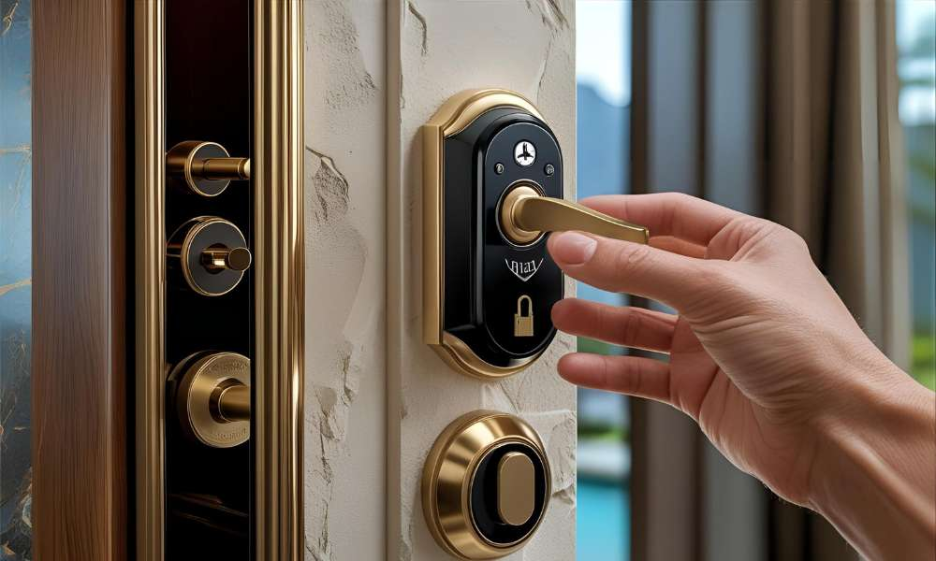
Compliance with fire exit doors and panic bars is a critical requirement for businesses operating in commercial buildings, retail spaces, offices, and public facilities in San Diego. To support this, partnering with trusted commercial locksmith services in San Diego and professionals who handle access control systems can help ensure fire exit doors and panic bars meet the strict California Fire Code, local municipal regulations, and ADA accessibility standards so occupants can evacuate safely during emergencies. In urgent situations, 24/7 emergency locksmith assistance is also available to address compliance‑related hardware issues quickly.
For San Diego business owners and facility managers, maintaining compliant safety exits is not just about passing inspections; it directly affects life safety, legal liability, and insurance coverage. This guide breaks down fire exit door codes, panic hardware requirements, commercial door standards, and inspection expectations to help businesses stay compliant and reduce risk.
Why Fire Exit Door & Panic Bar Compliance Matters for San Diego Businesses
Legal Liability Risks for Commercial Property Owners
Commercial property owners and business operators can be held legally responsible if non-compliant fire exit doors or panic bars contribute to injuries, fatalities, or delays during an emergency. Such violations may result in fines, citations, civil lawsuits, or even criminal liability in severe cases. Partnering with professional commercial locksmith services in San Diego can help ensure all doors and panic bars meet safety and legal requirements.
Local authorities, including fire marshals and other regulatory bodies, enforce these safety regulations to protect the public. Failing to comply can expose businesses to long-term legal and financial consequences, beyond the immediate penalties. In urgent situations, emergency locksmith services are available to quickly address malfunctioning panic bars or exit doors, ensuring safety and compliance. For businesses looking to upgrade security further, integrating access control systems can also help maintain regulatory standards while improving overall safety.
Insurance Claim Denials Due to Non-Compliant Exit Hardware
Insurance providers often require compliance with fire and building codes as a condition of coverage. If an incident occurs and an investigation reveals non-compliant panic bars, blocked exits, or improper locking mechanisms, insurers may deny claims entirely.
This can leave businesses financially vulnerable following fires, evacuations, or injury-related incidents.
Employee and Customer Life-Safety Considerations
Fire exit doors and panic bars are designed to allow occupants to exit quickly and safely during emergencies such as fires, earthquakes, or security threats. Malfunctioning or improperly installed hardware can cause panic, delays, and dangerous crowd congestion.
Ensuring compliance is not only about meeting regulations; it is about protecting lives.
Understanding Fire Exit Door Codes in California & San Diego
Overview of California Fire Code (CFC) Requirements
The California Fire Code establishes statewide requirements for fire exit doors, panic hardware, and means of egress. These regulations specify when panic hardware is required, how exit doors must function, and what conditions are prohibited.
The code emphasizes:
- Immediate, unobstructed egress
- Single-motion door operation
- Proper fire-rated door assemblies where required
San Diego Municipal Code vs State-Level Regulations
While California Fire Code provides the foundation, San Diego may enforce additional local amendments or interpretations. Businesses must comply with both state and municipal requirements, with the stricter rule generally taking precedence.
Fire inspectors in San Diego evaluate compliance based on local enforcement standards, making regional knowledge essential.
Occupancy-Based Exit Door Requirements
Exit door requirements vary depending on the type of occupancy, such as:
- Assembly spaces
- Educational facilities
- Retail and commercial buildings
- Industrial or warehouse properties
Occupancy classification determines whether panic hardware is required and how many exits must be provided.
Panic Hardware Requirements for Commercial Buildings
What Qualifies as Panic Hardware Under Code
Panic hardware is defined as a door-latching system that releases when pressure is applied to a horizontal bar or push pad. It must allow occupants to exit without keys, tools, or specialized knowledge.
Difference Between Panic Bars and Fire Exit Hardware
While often used interchangeably, panic bars and fire exit hardware serve different purposes. Fire exit hardware is used on fire-rated doors and is designed to re-latch automatically to maintain the fire barrier after use.
Understanding this distinction is critical to proper compliance.
Single-Motion Egress Requirements
Fire and building codes require exit doors to open with a single, continuous motion. Home locksmith services Multiple locks, deadbolts, or complex mechanisms that delay exit are strictly prohibited.
This requirement ensures rapid evacuation during high-stress situations.
Commercial Door Standards for San Diego Businesses
Fire-Rated Commercial Door Materials
Fire exit doors may be required to meet specific fire-resistance ratings depending on location and occupancy. Materials such as hollow metal or fire-rated assemblies are commonly used to meet these standards.
Door Frame and Hardware Compatibility
Fire-rated doors must be installed with compatible frames and hardware. Mismatched components can invalidate fire ratings and lead to inspection failures.
Importance of Self-Closing and Self-Latching Mechanisms
Self-closing and self-latching features ensure that fire-rated doors automatically close and secure themselves after use, preventing the spread of smoke and fire.
Disabled or malfunctioning closers are among the most common violations cited during inspections.
Fire Inspections & Compliance Checks in San Diego
What Fire Inspectors Look for During Inspections
Fire inspectors evaluate whether exit doors:
- Open freely in the direction of egress
- Are unobstructed and clearly marked
- Have functioning panic hardware
- Maintain proper fire ratings and labels
Any deviation may result in citations or required corrective actions.
How Often Exit Doors Should Be Inspected
Regular inspections are essential, especially in high-traffic commercial environments. Annual inspections are common, but more frequent checks may be required based on occupancy and usage, often supported by commercial locksmith services.
Documentation Businesses Should Maintain
Maintaining records of inspections, maintenance, and repairs helps demonstrate due diligence during audits or inspections. Documentation also supports insurance and compliance verification.
Common Fire Exit Door & Panic Bar Violations
Obstructed or Blocked Exit Doors
Blocked exits, whether by storage, furniture, or equipment, are a serious violation. Exit paths must remain clear at all times.
Improper Locking or Deadbolts on Exit Doors
Deadbolts, padlocks, or locking devices that restrict egress are among the most frequently cited violations. Exit doors must always allow immediate exit.
Non-Functioning Panic Bars
Worn, damaged, or improperly maintained panic bars can fail during emergencies. Routine testing is essential to ensure reliability.
What Professional Commercial Security Providers Ensure Compliance
Site Assessments and Code Gap Analysis
Professionals evaluate existing exit doors and hardware to identify gaps between current conditions and code requirements.
Hardware Selection Based on Occupancy Type
Proper selection of panic hardware and exit devices depends on building use, occupant load, and fire-rating requirements.
Certified Installation and Retrofitting
Correct installation is just as important as hardware selection. Certified installation ensures devices function as intended and meet code standards.
How to Stay Compliant & Reduce Legal Risk
Scheduling Regular Door and Hardware Audits
Routine audits help identify issues early, reducing the risk of violations and emergency failures.
Training Staff on Emergency Exit Usage
Employees should understand how exit door functions and recognize when something is not working properly.
Updating Hardware During Renovations
Renovations often trigger code updates. Exit doors and panic hardware should always be reviewed during remodeling projects.
Conclusion
Fire exit doors and panic bars play a critical role in protecting lives and ensuring regulatory compliance for San Diego businesses. Understanding California Fire Code requirements, local enforcement standards, and proper maintenance practices is essential for reducing legal risk and ensuring safe emergency egress.
By prioritizing compliance, conducting regular inspections, and addressing issues proactively, businesses can protect occupants, maintain operational continuity, and meet their legal obligations with confidence.
Get in touch with San Diego Locksmith to discuss your commercial security requirements.
Frequently Asked Questions (FAQs)
1. Are panic bars required on all commercial exit doors in San Diego?
No, panic bars are not required on all commercial exit doors. Their requirement depends on occupancy type and occupant load as defined by the California Fire Code. Assembly spaces, educational facilities, and certain high-occupancy commercial buildings are more likely to require panic hardware. A proper occupancy classification is essential to determine applicability.
2. What is the difference between panic hardware and fire exit hardware?
Panic hardware is typically installed on non-fire-rated doors and allows immediate exit when pressure is applied. Fire exit hardware is used on fire-rated doors and is designed to automatically re-latch after use to maintain fire resistance. Using the correct type is essential for compliance.
3. Can exit doors be locked from the inside?
Exit doors may not be locked in a way that restricts immediate egress. Any locking mechanism that requires keys, tools, or multiple actions to exit is generally prohibited. Life-safety codes prioritize fast and unobstructed evacuation during emergencies.
4. How often should fire exit doors and panic bars be inspected?
Fire exit doors and panic bars should be inspected regularly, typically at least once per year. High-traffic facilities or those with prior violations may require more frequent inspections to ensure ongoing compliance and functionality.
5. Do ADA requirements apply to emergency exit doors?
Yes, ADA accessibility requirements apply to emergency exit doors. These include standards for operating force, mounting height, and ease of use. However, when conflicts arise, life-safety requirements take precedence, provided accessibility is maintained as much as possible.